The Kindness Box
A team interaction design project exploring how King's Cross Station could become a site of human connection through field research, iterative prototyping, and a high-fidelity interactive vending machine concept.
Overview
We were tasked with designing a creative, interactive digital technology that enhances visitor experience in an open-air public space by enabling an "act of kindness." We chose King's Cross Station, a major transport hub drawing travellers and commuters from across the UK and Europe, precisely because its diverse, transitory crowd made it both a challenging and meaningful context for kindness.
The research challenge
King's Cross is one of London's busiest transport hubs, a place most people pass through rather than stay in. Our research question was: how can an interactive technology make kindness feel possible, easy, and meaningful in a space defined by movement and anonymity?
Before we could answer that, we needed to understand what kindness meant to the people who actually used this space, and whether they even associated King's Cross with it at all.
Participants found it difficult to connect the concept of kindness to King's Cross specifically. The station felt cold and impersonal to many. This told us our design would need to do more than provide a mechanism for kindness. It would also need to make the space itself feel like a more inviting context for it.
User research & personas
We conducted observational visits to King's Cross at various times and days, then interviewed 15 people including travellers, commuters, station employees, homeless individuals, and tourists. The interviews surfaced two distinct user needs that shaped all subsequent design decisions.
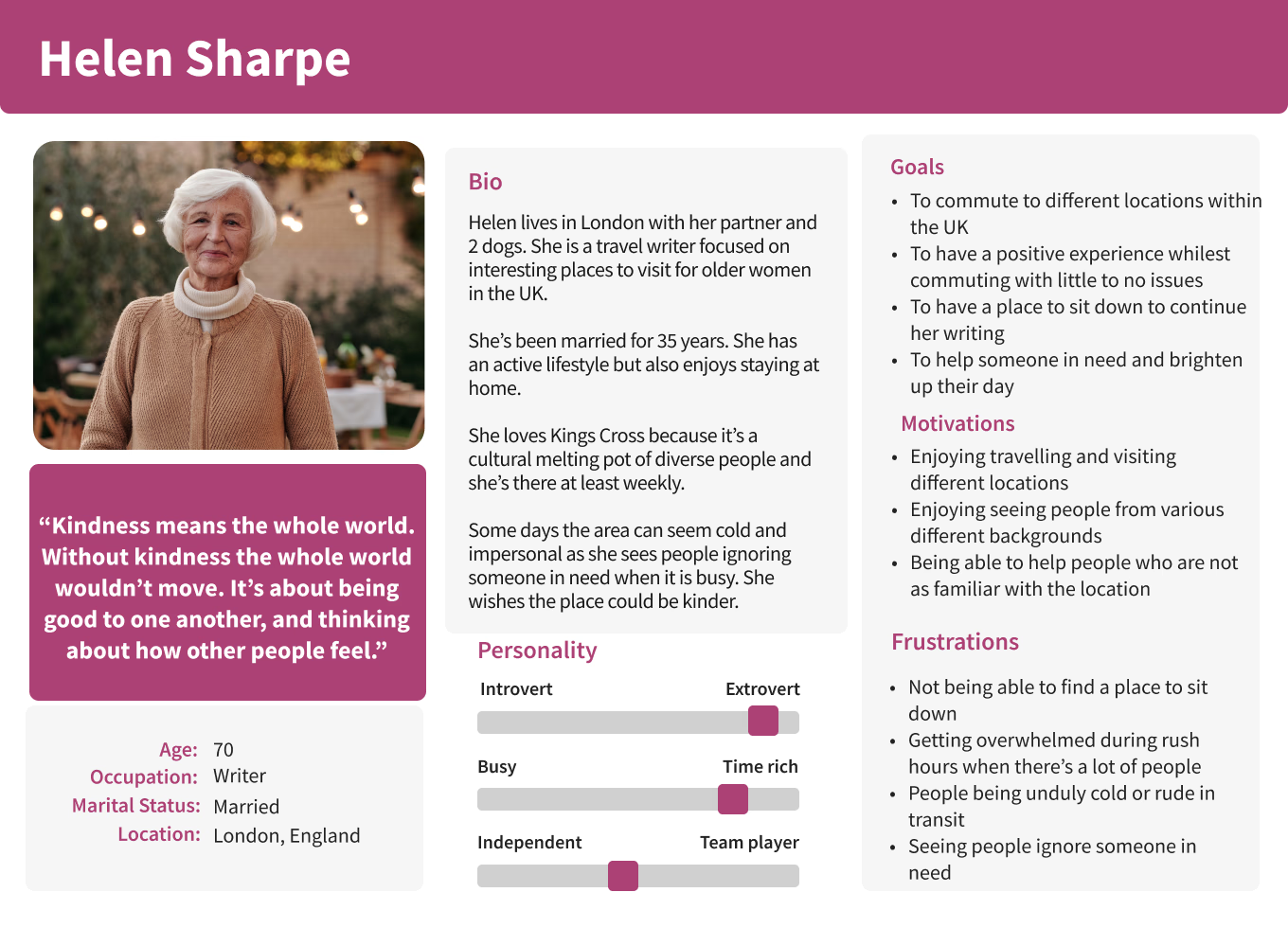
- Help someone in need
- Have a positive commute
- Brighten someone's day
- People ignoring those in need
- Station feels cold & impersonal
- Overwhelmed in rush hour
People like Helen see someone in need of kindness but don't know how to engage. How can it be easier to give? How can kindness become a significant, visible presence in what feels like an impersonal, transitory place?
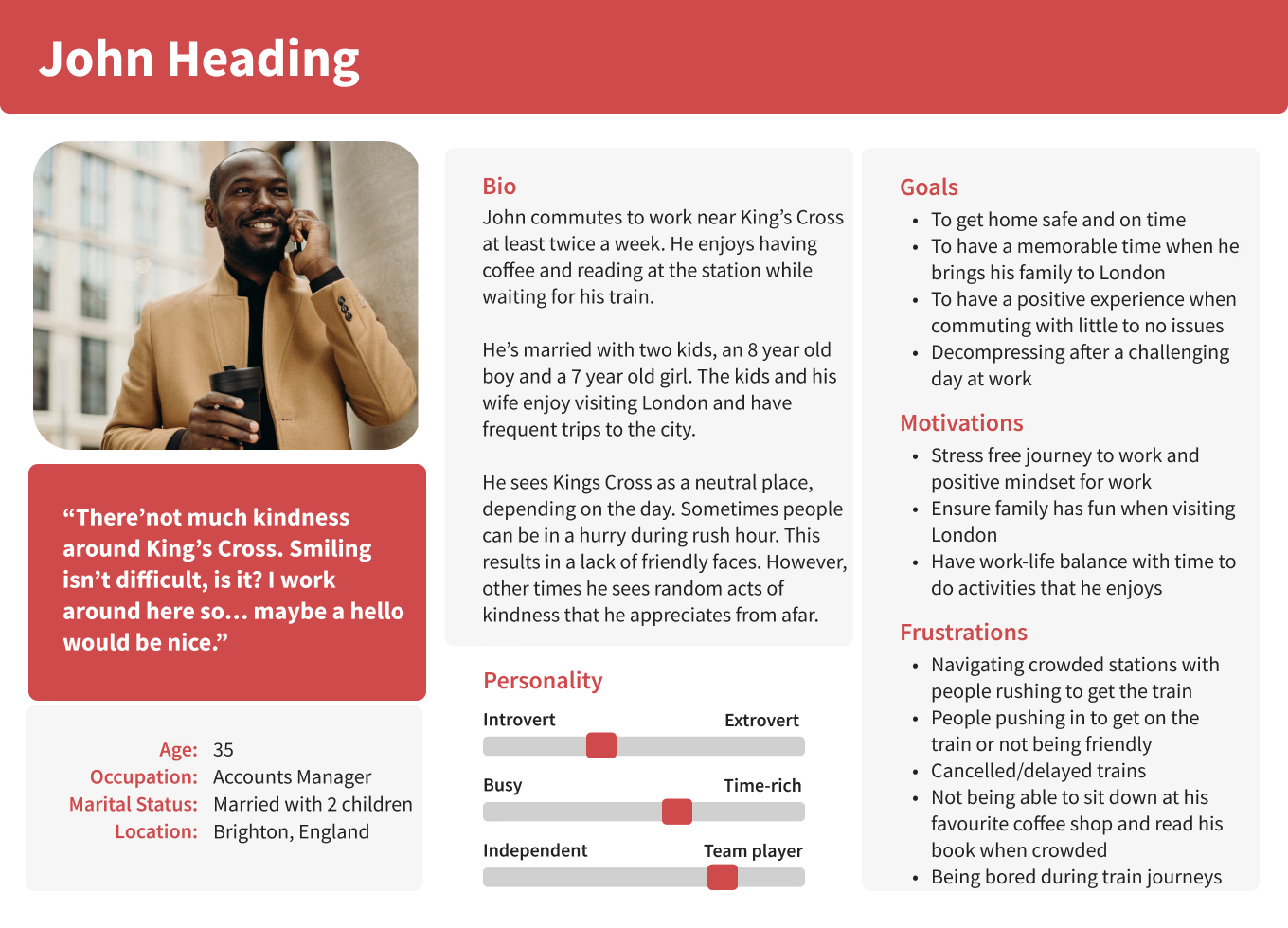
- Stress-free journey home
- Decompress after work
- Memorable family visits
- People rushing and being rude
- Feeling alone at the station
- King's Cross feeling transitory
A large number of people would benefit from a warm presence at the station. How can warmth be spread outward? How can kindness become more than an occasional random act, and feel like part of the character of the space?
Existing user journeys
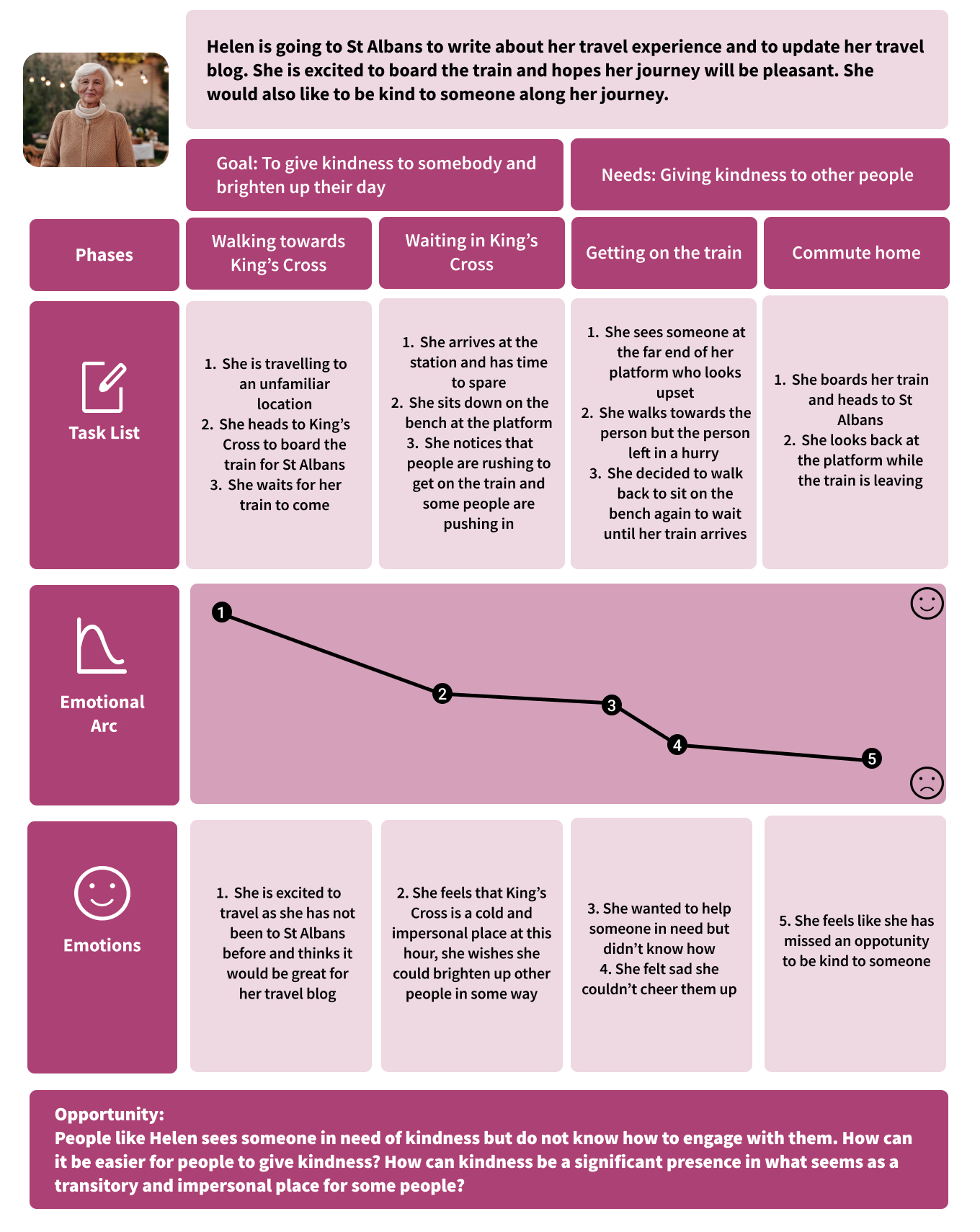
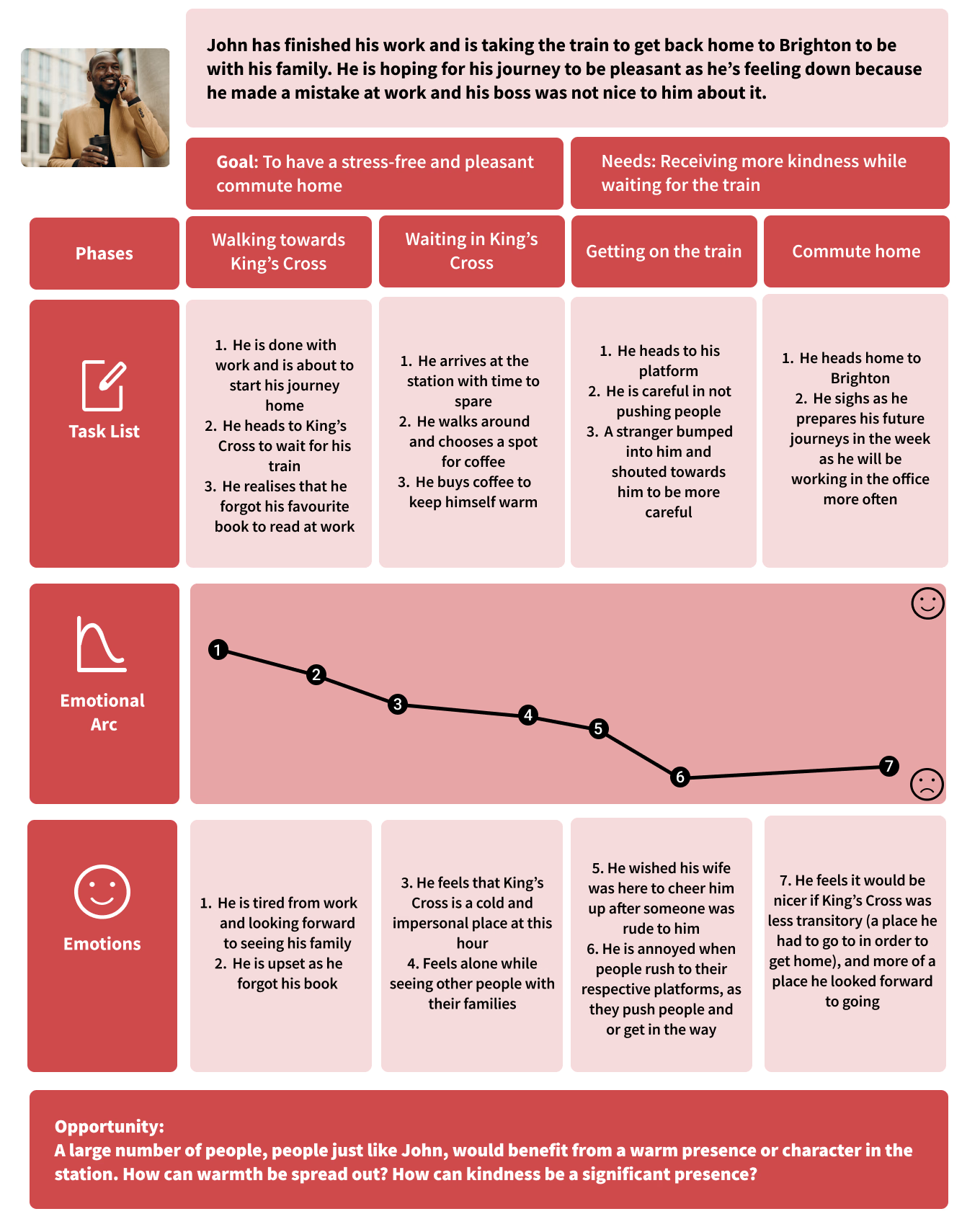
Before designing any solution, we mapped the existing journeys of both personas through King's Cross, tracking not just tasks but emotions at each stage. Both journeys end with missed opportunity: Helen wanting to help someone but not knowing how; John arriving home deflated after an encounter with a rude stranger.
These emotional arcs gave us concrete design targets: the Kindness Box needed to intervene at the "waiting in King's Cross" phase, the moment of emotional low, and transform it into a high point.
Conceptual design: the cardboard prototype
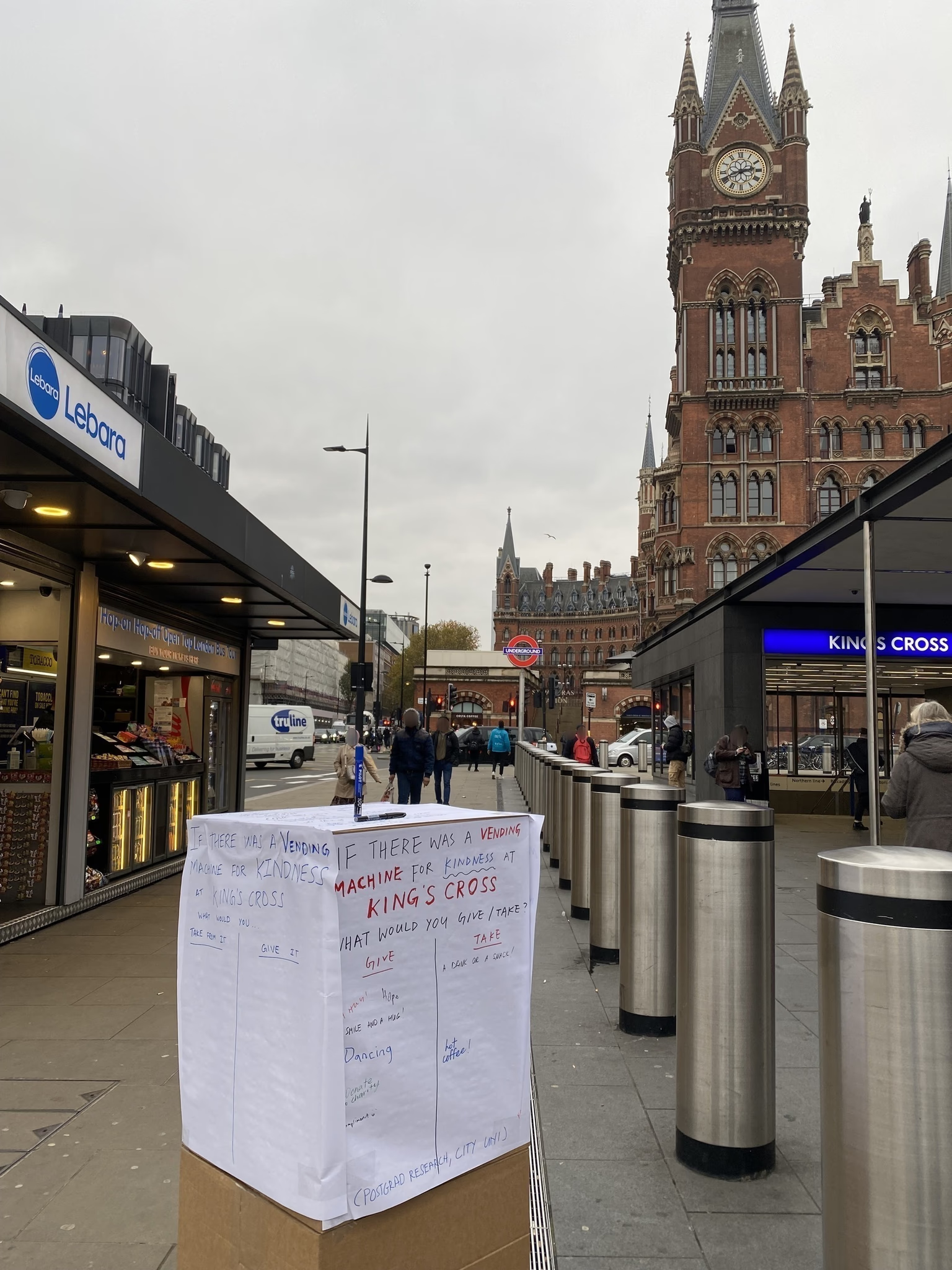
Rather than jumping straight to screens, we built a rough cardboard prototype from two corrugated boxes assembled to resemble a vending machine. We placed it at various locations around King's Cross and its surroundings, observing how passers-by reacted. The prototype posed two questions in writing:
1. "If there was a vending machine for kindness at King's Cross, what would you take from it?"
2. "If there was a vending machine for kindness at King's Cross, what would you give to it?"
Responses included smiles and hugs, dancing, hot coffee, and favours, which directly seeded the four kindness categories in the final design: Positive Affirmations, Food & Drink, Entertainment, and Donate to Charity.
People engaged most readily when given a simple, low-commitment prompt. The cardboard box removed the social friction of approaching a stranger, since a machine felt safer and more anonymous than a person. This validated the vending machine format as the right interaction model.
Future user journeys
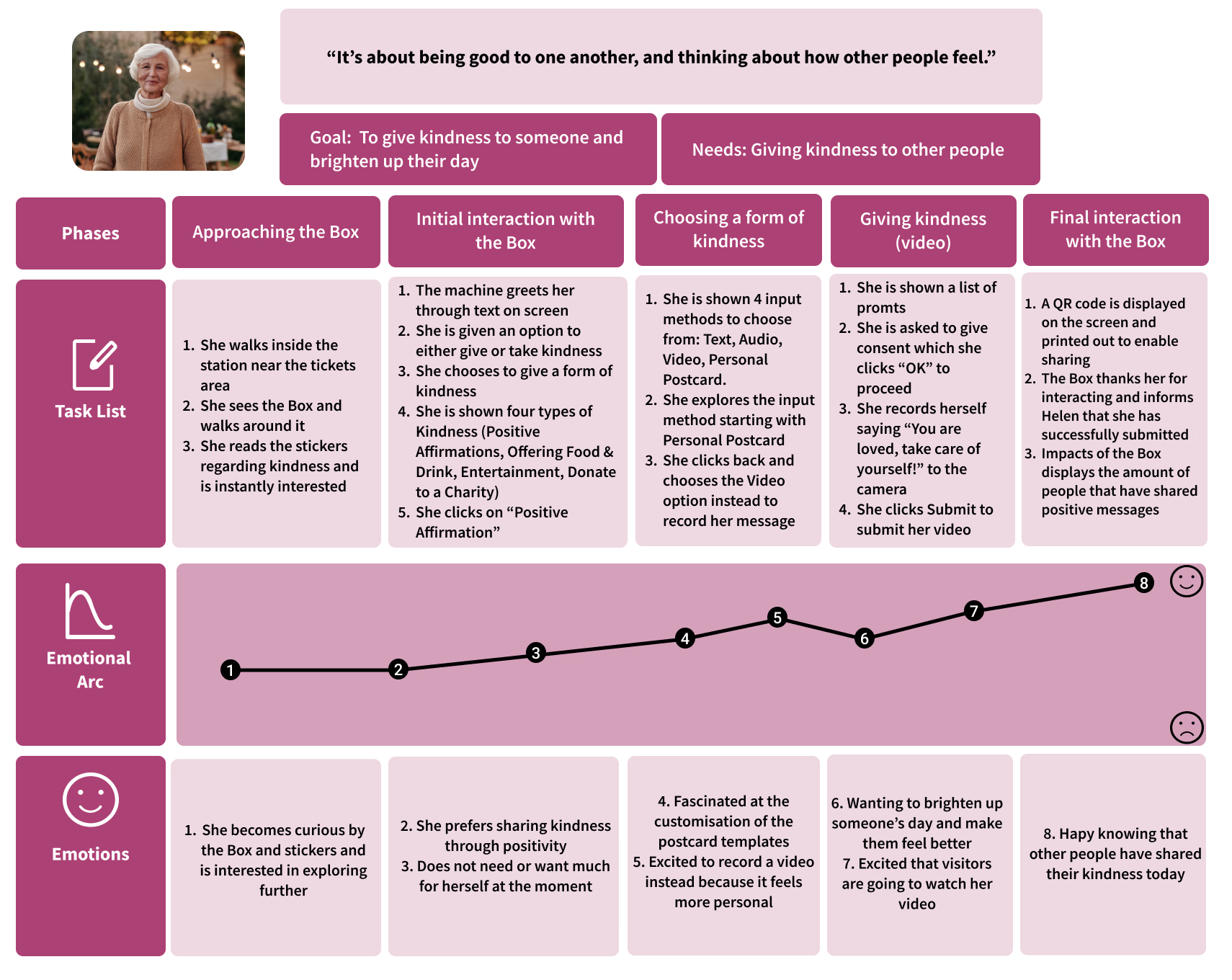
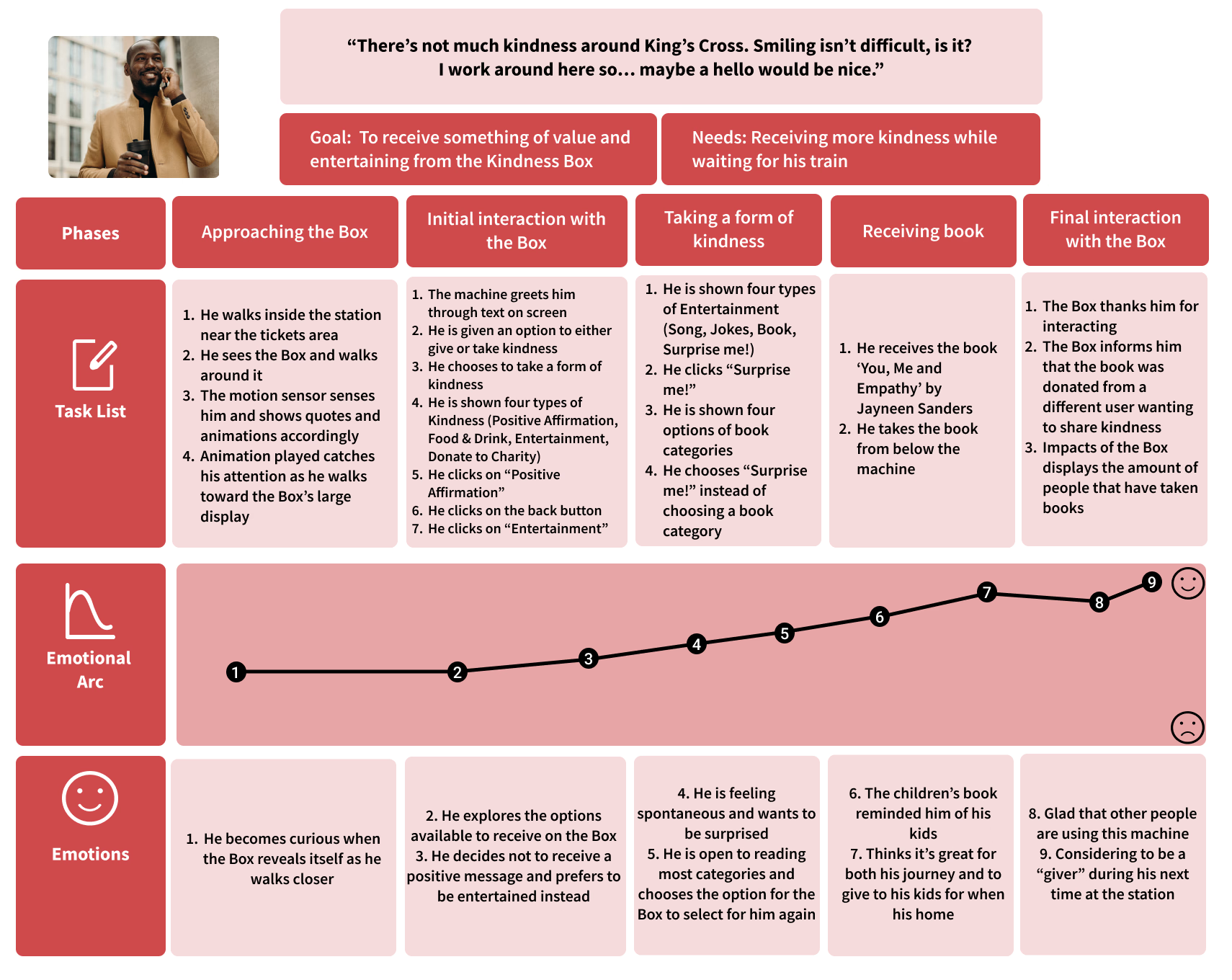
With the concept validated, we mapped how Helen and John's journeys would change with the Kindness Box present. Both journeys now end with a rising emotional arc, a significant reversal from the existing journeys.
Helen's journey: giving kindness
John's journey: receiving kindness
Detailed design: the high-fidelity prototype
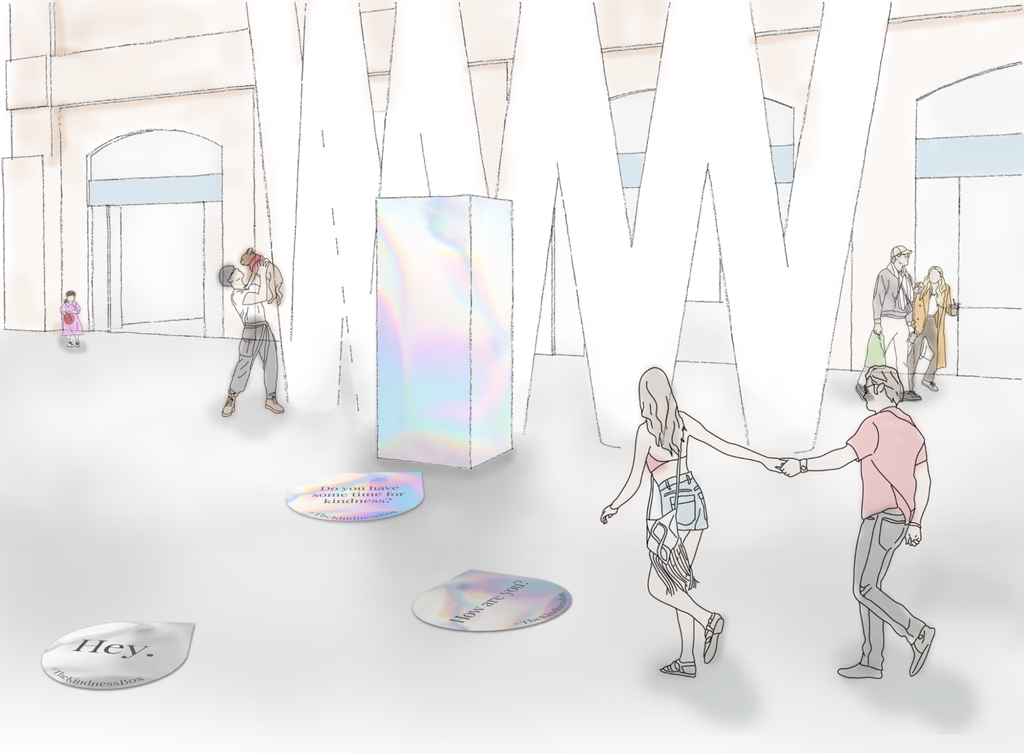
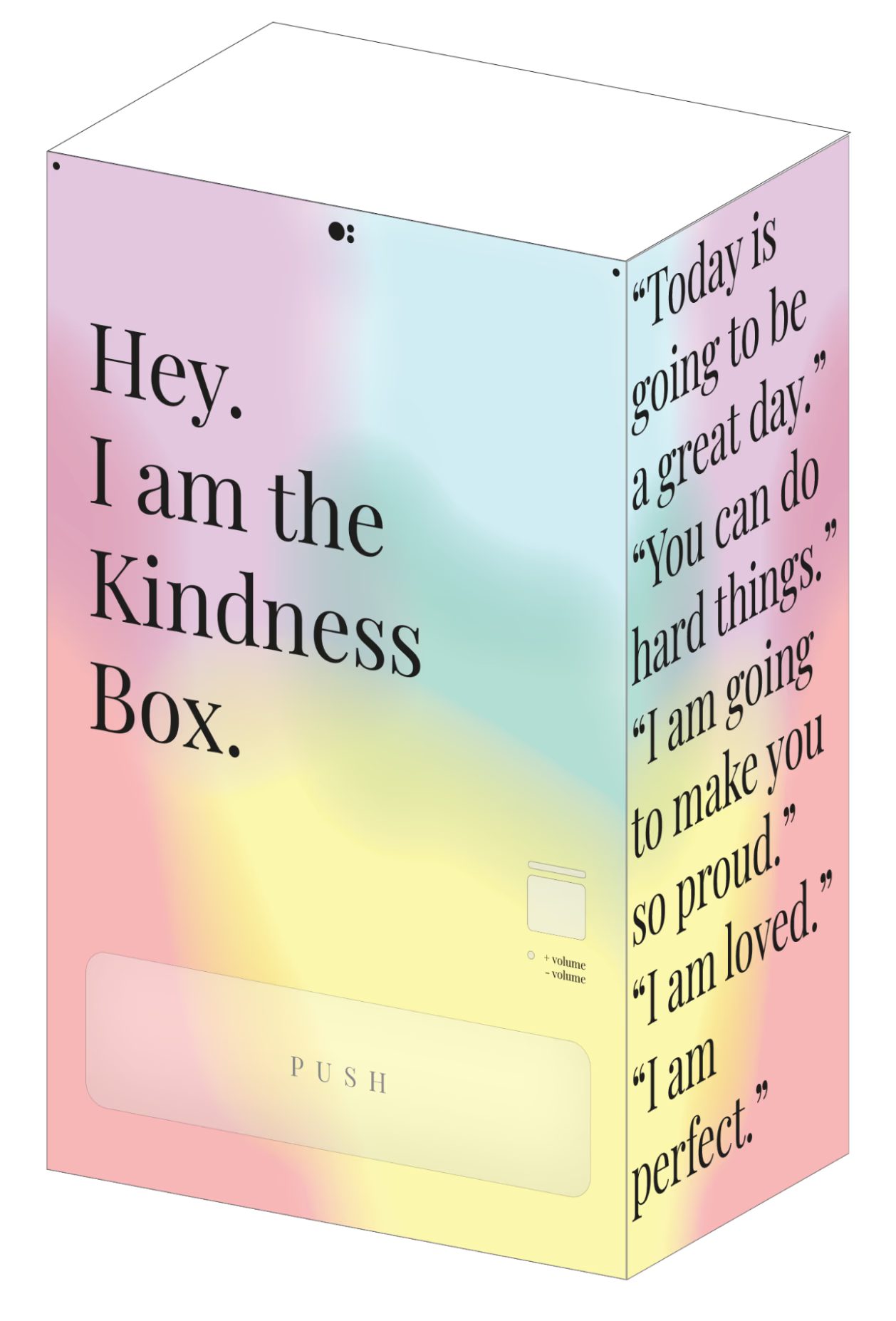
Moving from cardboard to a fully realised concept, we created a high-fidelity prototype and 3D visualisation of the Kindness Box as it would appear on-site at King's Cross. The machine is a tall, iridescent holographic kiosk, visually distinctive enough to stop people in a busy station, but not intimidating.
What I learned
The most important insight from our user journeys wasn't about features. It was about timing. The Kindness Box needed to appear at a moment of emotional low, not just as a passive fixture. The motion sensor and floor stickers exist to intercept people before they've fully disengaged from the space.
The cardboard box placed at King's Cross generated more actionable data than any interview question could have. Real people in the real space, reacting spontaneously, told us what kindness meant to them in a way that no studio session replicates. It also validated the vending machine metaphor, which could have felt gimmicky, as genuinely resonant with how people thought about the exchange.
Designing for a "giver" and a "receiver" simultaneously created productive tension throughout the project. Every feature had to work for Helen, who wanted to do something meaningful, and for John, who was depleted and needed a low-effort path to receiving warmth. The four kindness categories emerged directly from holding both user needs in parallel.
Participants struggled to associate kindness with King's Cross. The design response was to create an artefact that physically embodies warmth: the iridescent holographic aesthetic, the "Hey." on the front, the floor stickers that address you directly. The Box needed to transform the emotional character of the space before anyone even touched it.